
Diet
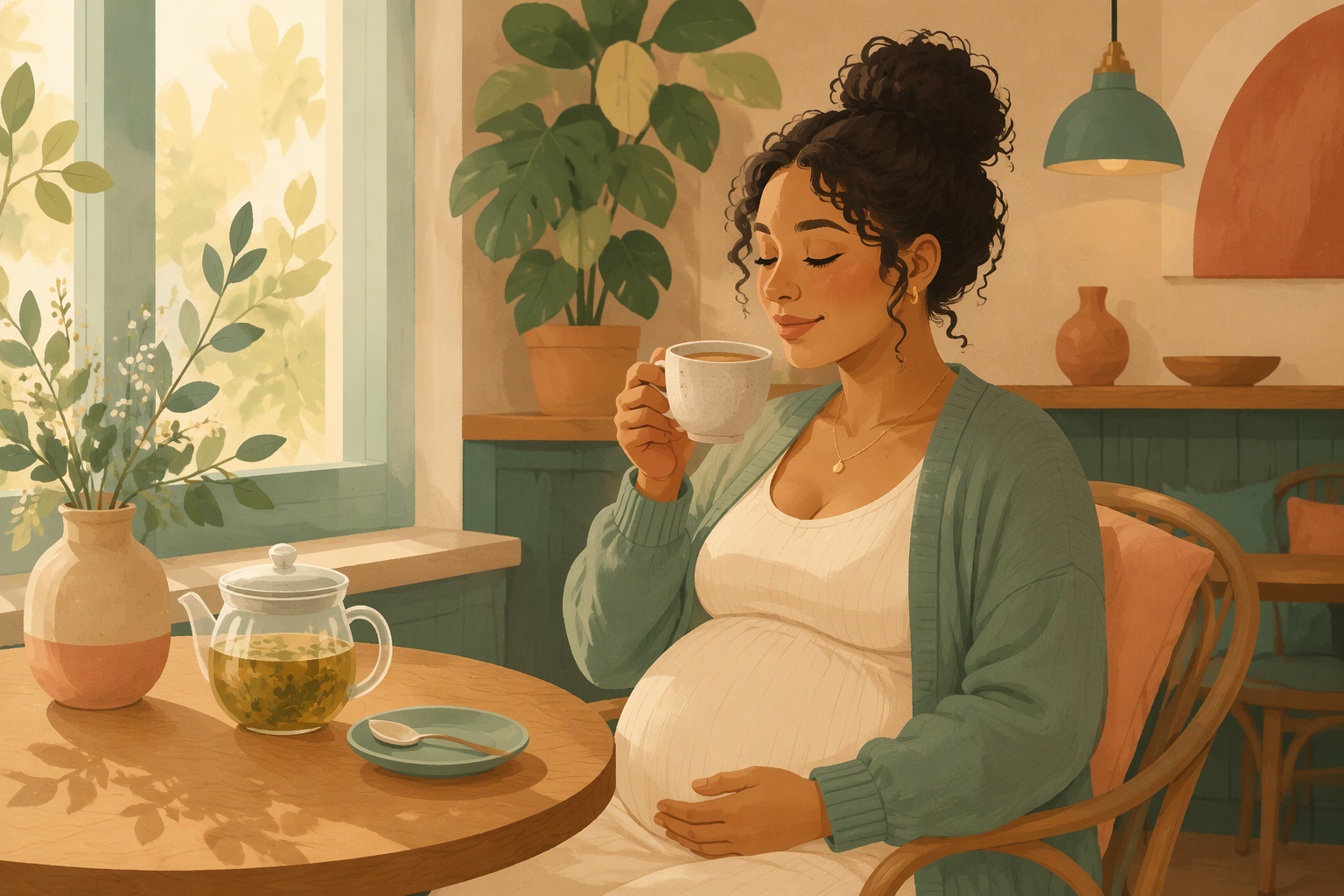
It’s your first morning after the positive test and you’re staring at the coffee machine like it betrayed you. Can you? Should you? Is one cup going to ruin everything? I asked all of this with my first, and the answer turned out to be kinder than the headlines — you don’t have to break up with coffee. You just have to set a boundary.
The short answer
Current guidance: keep caffeine under 200mg a day — roughly one regular café coffee, or two instant coffees, or about four cups of tea. Remember caffeine hides in tea, cola, chocolate, and energy drinks too, and it all adds up.
What the limit is actually based on
Caffeine crosses the placenta, and a developing baby processes it very slowly. Studies link consistently high intake — well above 200mg daily — with increased risks, which is why guidelines set the line there. Under that line, the evidence is reassuring enough that every major guideline allows moderate intake.
The trap is that caffeine adds up quietly. Your morning flat white (around 120–150mg), plus two afternoon teas (about 50mg each), plus the chocolate after dinner (20mg) — you can drift over the line without ever feeling like you drink ‘a lot’.
The part that often gets missed
The reframe that saved my mornings: one good cup, fully enjoyed, beats three anxious ones. When I stopped sipping mindlessly all day and made my one café coffee a deliberate ritual — sat down, actually tasted it — I ended up wanting less and enjoying it more.
What you can actually do
1. Know your numbers
Learn the rough values once: café coffee 120–180mg depending on size and shots, instant around 60–80mg, black tea about 50mg, green tea 30mg, cola 30–40mg per can, dark chocolate around 20mg per row or two, energy drinks — just skip them entirely in pregnancy. Two shots is most of your daily budget, so a large double-shot latte is basically your whole allowance.
Write your own personal audit once: what you actually drink on a normal day. Most women find one small swap — tea instead of a second coffee — brings them comfortably under the line.
2. Find your hidden caffeine
The sneaky sources: iced coffee drinks, matcha (yes, it’s caffeine), green tea ‘health’ drinks, cola and some other soft drinks, chocolate, coffee-flavoured desserts and ice cream, and some headache tablets. You don’t need to avoid them all — just count them.
Evening chocolate with a tea can quietly become 70mg. Not a crisis — just worth knowing when you’re doing the daily maths.
3. Make your one cup a ritual
Pick your best moment — for me it was the 10am sit-down after the school run — and make that your coffee. Proper cup, sit down, no phone. When the ritual is good, the 3pm ‘habit cup’ reveals itself as boredom rather than need, and swapping it for herbal tea stops feeling like deprivation.
Decaf is genuinely decent now, especially in cafés. A decaf flat white at 4pm scratches the itch without spending the budget.
4. Have a gentle cutback plan
If you’re currently well over 200mg, don’t go cold turkey tomorrow — caffeine withdrawal headaches on top of early pregnancy are a special misery. Cut one cup every two or three days, or switch to half-strength, and land under the line within a week or two.
Headache and fog for a few days is normal withdrawal, not a sign your body ‘needs’ caffeine. Push through with water and early nights and it lifts.
Where to start
Today: count yesterday’s caffeine, honestly, including the chocolate. If you’re over the line, pick the one cup that matters least and make it decaf or tea tomorrow. Small swaps, kept up, beat dramatic vows.
You and coffee can stay friends — it’s just a friendship with a curfew now. One proper cup, enjoyed without guilt, then let the rest of the day run on tea, water and the occasional square of chocolate. That’s not deprivation; that’s just the new arrangement.
One good cup, fully enjoyed, beats three anxious ones.
Keep reading
What Fish Can You Eat During Pregnancy? A Simple Safety Guide
Fish is brilliant in pregnancy — once you know the two rules about mercury and freshness.
Low Iron During Pregnancy: What Food Can and Cannot Do
Told your iron is low? How food, supplements and timing actually fix it.
What Can You Actually Eat During Pregnancy? Foods Explained
Cutting through the food-rule fog: what’s off the menu, what isn’t, and why.
I hope this helped, even a little. Everything I write here comes from raising my three and from the planners and checklists I built because I needed them myself. If you take one thing from this page, let it be this: you are doing better than you think.
— Rahila x
Mum of three, obsessive list-maker, and the person behind Women Life Reset
Women Life Reset guides are general information, not medical advice. Always check your own situation with your doctor, midwife or health visitor.