Dressing Baby for Sleep: The Temperature Rule That Ends the Guessing
It’s 11 p.m. You’re standing over the crib doing the mental math every new parent does: the room is 70 degrees, the sleeper is fleece, the sleep sack is… some number of TOGs? Is the baby cold? Sweaty? You touch their chest, then their hands, then Google it again.
Let’s end the guessing. There’s a simple system — one rule, one chart, one check — and once it clicks, you’ll never stand over the crib doing pajama math again.
A quick honesty note before we start: this post contains partner links. If you buy through one, we earn a small commission — at no extra cost to you. It’s how we keep the lights on, and I only ever recommend what I’d put in my own cart. You can read our full affiliate disclosure anytime. — Sarah
In this article
The heart of it
- Dress baby in roughly one more layer than you’d wear to be comfortable
- TOG is just a warmth rating: higher number, warmer sack; match it to room temperature
- Check the chest or back of neck — warm and dry is right; hands and feet lie
- No loose blankets or hats for sleep, whatever the temperature
The One Rule: One More Layer
Start here, because it solves 80% of nights: dress your baby in about one more layer than you would wear to feel comfortable in that same room. If you’d sleep in a t-shirt, baby gets a onesie plus a light sleep sack. It’s not precise science — it’s a gut-check that keeps you from both swaddling them like a burrito in July and freezing them in October.
TOG, Explained Like a Friend
TOG (“thermal overall grade”) is simply a warmth rating for baby sleepwear. That’s it. 0.2–0.5 TOG is a whisper of fabric for hot summer nights. 1.0 TOG is your spring-and-fall middleweight. 2.5 TOG is the cozy winter weight. 3.5 TOG exists for genuinely cold rooms. The number is printed on the tag — the trick is matching it to your room, not the season outside, because your nursery has its own climate.
The Room-and-TOG Cheat Sheet
Put a cheap room thermometer in the nursery — this is the whole system’s foundation. Then: 75°F+ (24°C+): diaper or short onesie, 0.2–0.5 TOG sack. 70–75°F (21–24°C): short-sleeve onesie, 0.5–1.0 TOG. 64–70°F (18–21°C): long-sleeve onesie, 2.5 TOG. Below 64°F (18°C): long onesie plus 3.5 TOG, and consider warming the room itself. Most pediatric guidance puts the sleep sweet spot around 68–72°F (20–22°C).
The Check That Actually Works (Chest, Not Hands)
Baby hands and feet are often cool — that’s just immature circulation, not a temperature reading. The reliable test: slide two fingers onto the baby’s chest or the back of the neck. Warm and dry means dressed correctly. Hot or sweaty means remove a layer. Cool chest means add one. Do this check once when you change something, learn your baby’s baseline for a few nights, and the anxiety loop genuinely ends.
What About Swaddles, Blankets, and Hats?
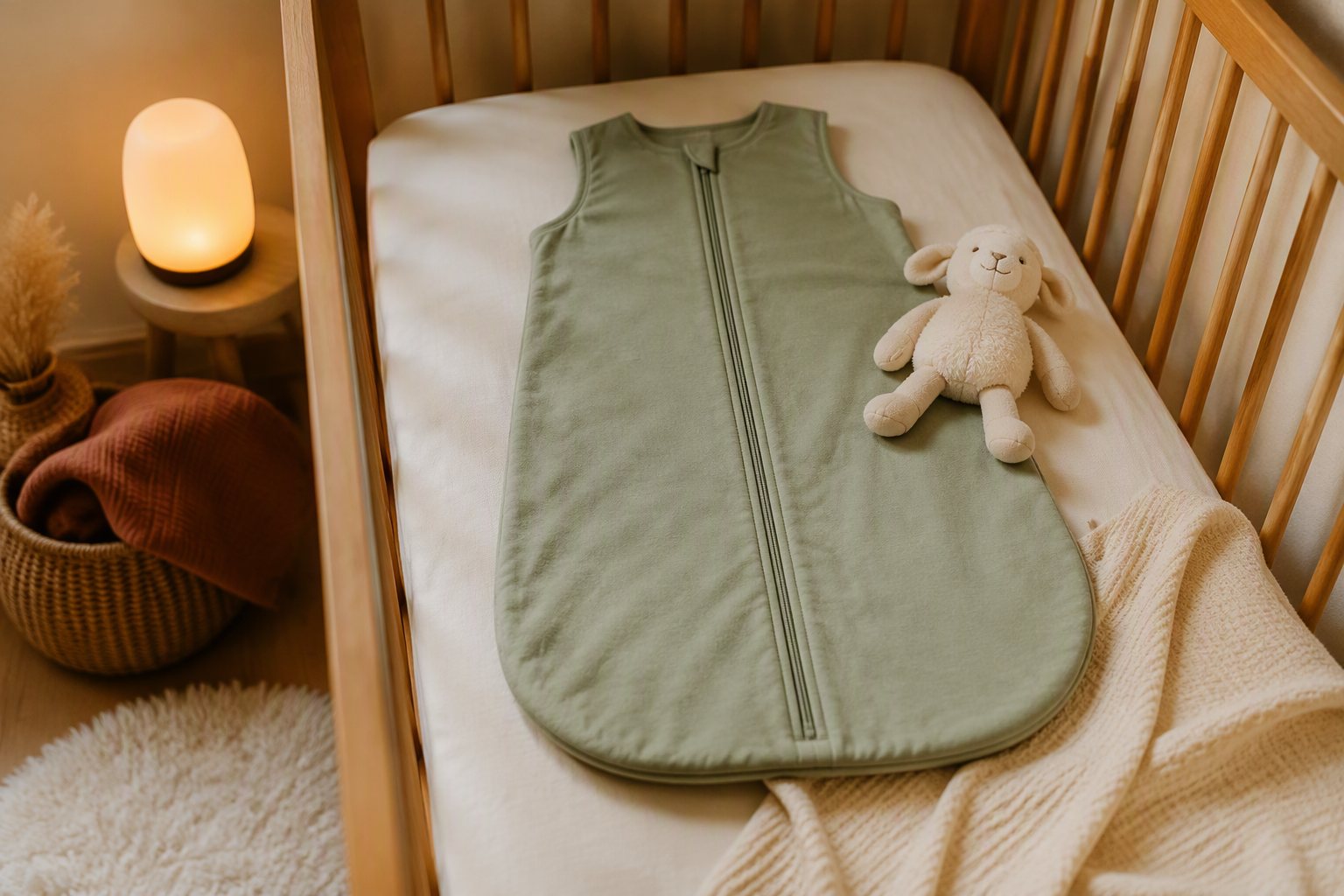
The safe-sleep rules stay constant in every season: nothing loose in the crib — no blankets, no hats, no positioners. A swaddle (until rolling starts) or a sleep sack (after) is the only “blanket” that’s safe, which is exactly why getting the sack’s warmth right matters so much. It’s the whole outfit and the bedding in one.
ergoPouch — TOG-Rated Sleep Sacks
This is why we point moms to ergoPouch: every sleep sack is clearly TOG-rated, made from breathable natural fibers, and sized from newborn through toddler — so the cheat sheet above becomes a two-minute decision instead of a nightly guessing game. Their Cocoon swaddle-to-sack also handles the rolling transition without a midnight wardrobe crisis.
From ~$50 sizes 0–4y
Partner link — you pay the same price (sometimes less with their sales), and a small commission supports Women Life Reset.
Signs You’ve Got It Right
A correctly dressed baby sleeps like themselves — not waking sweaty, not waking with a cold chest, chest warm to your two-finger check. If night wakings suddenly spike with a weather change, check the room temperature before you blame a regression; it’s astonishing how often the fix is a different TOG, not a new sleep philosophy.
From our store
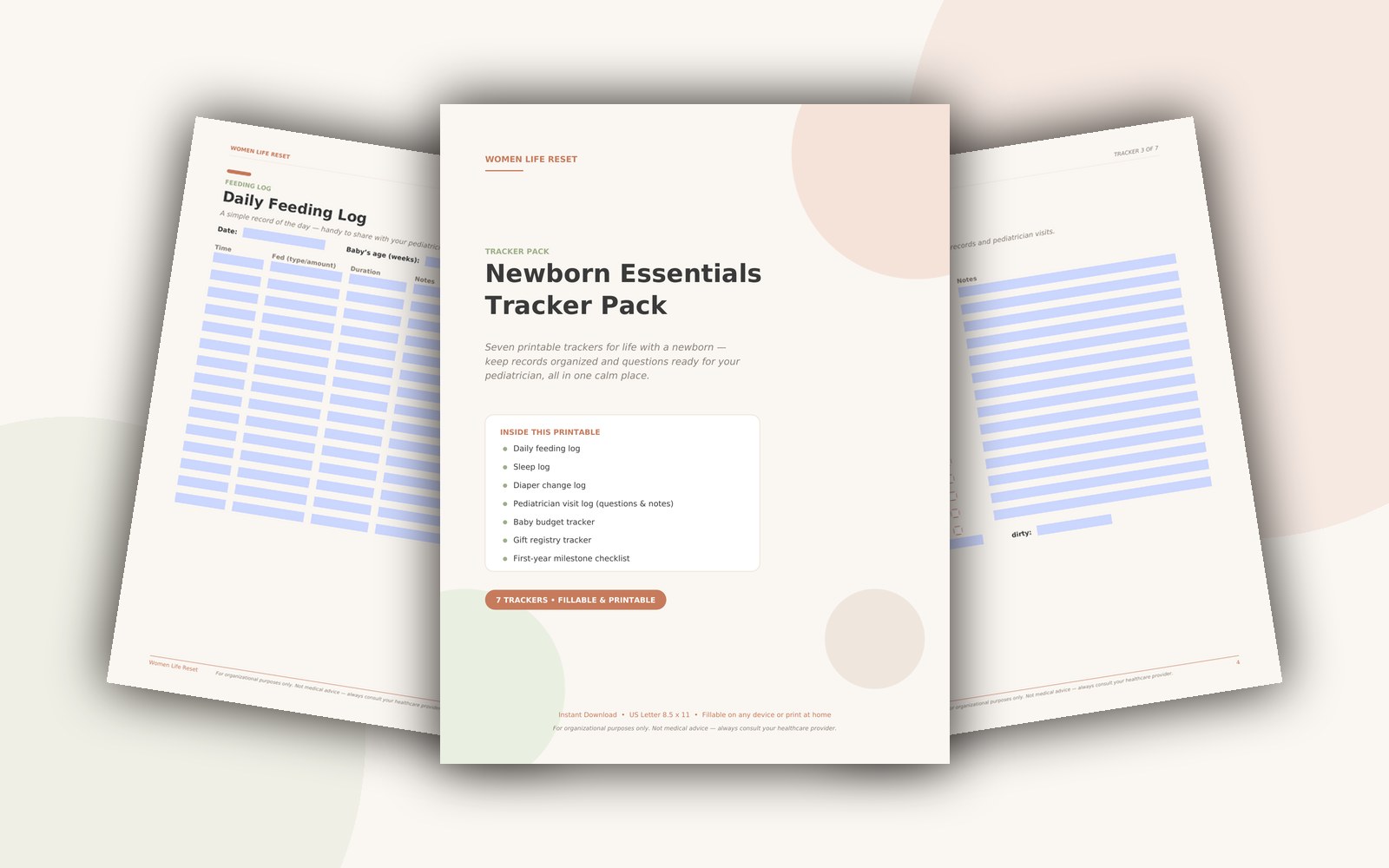
While you’re learning your baby’s sleep patterns, our Newborn Essentials Tracker Pack keeps the bigger picture — feeds, sleep stretches, and diapers in one calm log you can hand to any pediatrician.
Quick answers
What temperature should the nursery be?
Around 68–72°F (20–22°C) is the commonly recommended range — cool enough to lower overheating risk, warm enough for comfortable sleep.
What does TOG mean on a sleep sack?
It’s a warmth rating: higher number, warmer sack. Roughly: 0.2–0.5 for hot rooms, 1.0 for mild, 2.5 for cool, 3.5 for cold. Match it to the room temperature, not the season.
How do I know if my baby is too hot at night?
Feel the chest or back of the neck: hot, damp, or sweaty means remove a layer. Flushed cheeks and rapid breathing are also signs to cool things down.
Can my baby sleep in just a diaper in summer?
Yes — in a room above about 75°F, a diaper under a 0.2 TOG sack (or just a diaper for older babies) is perfectly reasonable. Keep the crib free of loose layers.
The Takeaway
One more layer than you. Match the TOG to the room, not the season. Check the chest, ignore the hands. That’s the whole system — and tonight, instead of pajama math at 11 p.m., you get to just go to bed. — Sarah
Popular on the blog

Fresh from the blog


Your 15% welcome code is waiting
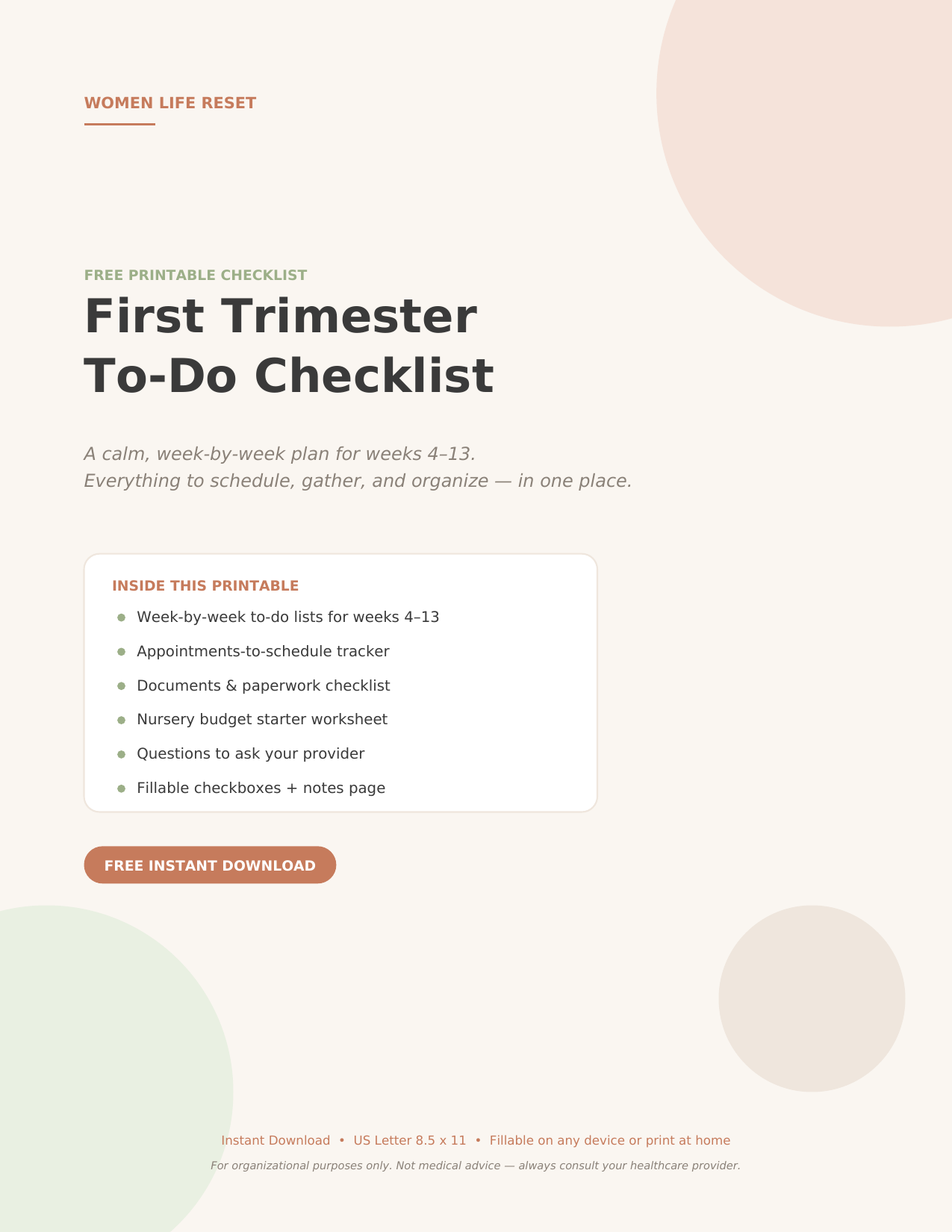
Join the Mom Club and I’ll send you my First Trimester Checklist free, plus your standing code MOMCLUB15 — 15% off everything in the store, every time you shop. One gentle, practical email a week. That’s the whole deal.
No spam, no pressure — unsubscribe anytime and keep the checklist. Only gentle notes from me, Sarah.
Leave a Reply