

Babywearing in the Fourth Trimester: Two Free Hands, One Calm Baby
Week two. The baby sleeps beautifully — but only on you. The moment you transfer her to the bassinet, eyes open, alarm sounded, operation aborted. Meanwhile there are dishes, an email you’ve started eleven times, and a sandwich you’d like to eat with both hands like a person.
This is the moment babywearing stops being a “parenting philosophy” and becomes what it actually is: a practical survival tool with a lovely side effect of a contented baby.
A quick honesty note before we start: this post contains partner links. If you buy through one, we earn a small commission — at no extra cost to you. It’s how we keep the lights on, and I only ever recommend what I’d put in my own cart. You can read our full affiliate disclosure anytime. — Sarah
In this article
The heart of it
- Newborns calm against your chest because it sounds and moves like the world they came from
- A carrier buys you hands, mobility, and a nap — all at once
- Safe positioning is simple: high, tight, visible face, chin off chest
- The right carrier is the one comfortable enough that you’ll actually use daily
Why Babies Settle on You (It’s Biology)
For nine months your baby lived in a world of constant motion, muffled heartbeat, and snug containment. Then we hand them a flat, silent, still mattress and wonder why they protest. Against your chest, they get all three back — your heartbeat, your walking rhythm, your warmth — plus the smell of you, which to a newborn is basically home. Worn babies cry less; that’s not folklore, it’s been measured. You’re not spoiling anything. You’re speaking the only language they know.
What Babywearing Gives Back to You
Here’s the part for you: both hands. Hot coffee. A walk without negotiating with a stroller. A nap transfer that actually works because there is no transfer. Many moms find a carrier walk is the one reliable reset for a fussy evening — the “witching hour” loses most of its power when the baby is vertical, moving, and pressed against you. And for the endless contact-nap stage, it converts trapped-on-the-couch hours into mobility.
Newborn-Safe Positioning: TICKS in Plain English
The safety checklist is genuinely simple. Tight — snug enough that the baby doesn’t slump. In view — you can see their face by glancing down. Close enough to kiss — their head rides high on your chest. Keep chin off chest — a curled airway is the real risk, so there should always be space under the chin. Supported back — their spine held in its natural curve, knees higher than bottom in the “M” position. Run that list every time for the first weeks; it becomes automatic fast. And the universal rule: carrier off for hot cooking, hot drinks overhead, and anything you wouldn’t do holding them in arms.
Wrap vs. Structured Carrier
A stretchy wrap is a long soft band you tie — heavenly for the tiny fourth-trimester stage, less so when a heavier baby starts sagging it by month four. A structured carrier (buckles, padded straps, waist belt) takes thirty seconds to put on, distributes weight onto your hips instead of your shoulders, and usually works from newborn (check the model’s minimum — some need an insert, newer ones don’t) through toddlerhood. Most families end up happiest starting with something structured and newborn-ready that they won’t outgrow in a season.
Ergobaby — Omni Classic Baby Carrier
The Ergobaby Omni Classic is the carrier we recommend without hesitation: newborn-ready with no insert, acknowledged as hip-healthy by the International Hip Dysplasia Institute, with padded crossable straps and a lumbar-support waist belt that puts the weight on your hips — the difference you feel at hour two. It runs from 7 pounds to toddler, so it’s one purchase, not a series.
$179 newborn to toddler
Partner link — you pay the same price (sometimes less with their sales), and a small commission supports Women Life Reset.
The Learning Curve Is Real (and Short)
Expect the first three tries to feel like wrestling an octopus into a cardigan. Everyone’s does. Practice over a bed or couch while the baby is fed and calm (practicing on a hungry, furious newborn is how people quit). Watch the brand’s fit video once, check yourself in a mirror, and by the end of week one you’ll be doing it one-handed in parking lots like a pro.
When Babywearing Saves the Day
The carrier earns its keep in specific moments: the 5–7 p.m. fussy window (walk, don’t rock), grocery runs (cart stays free, baby stays asleep), older siblings’ playground trips, air travel, and any day your arms are simply done. It’s not an all-day obligation — it’s a tool. Use it when it helps, dock it when it doesn’t.
From our store
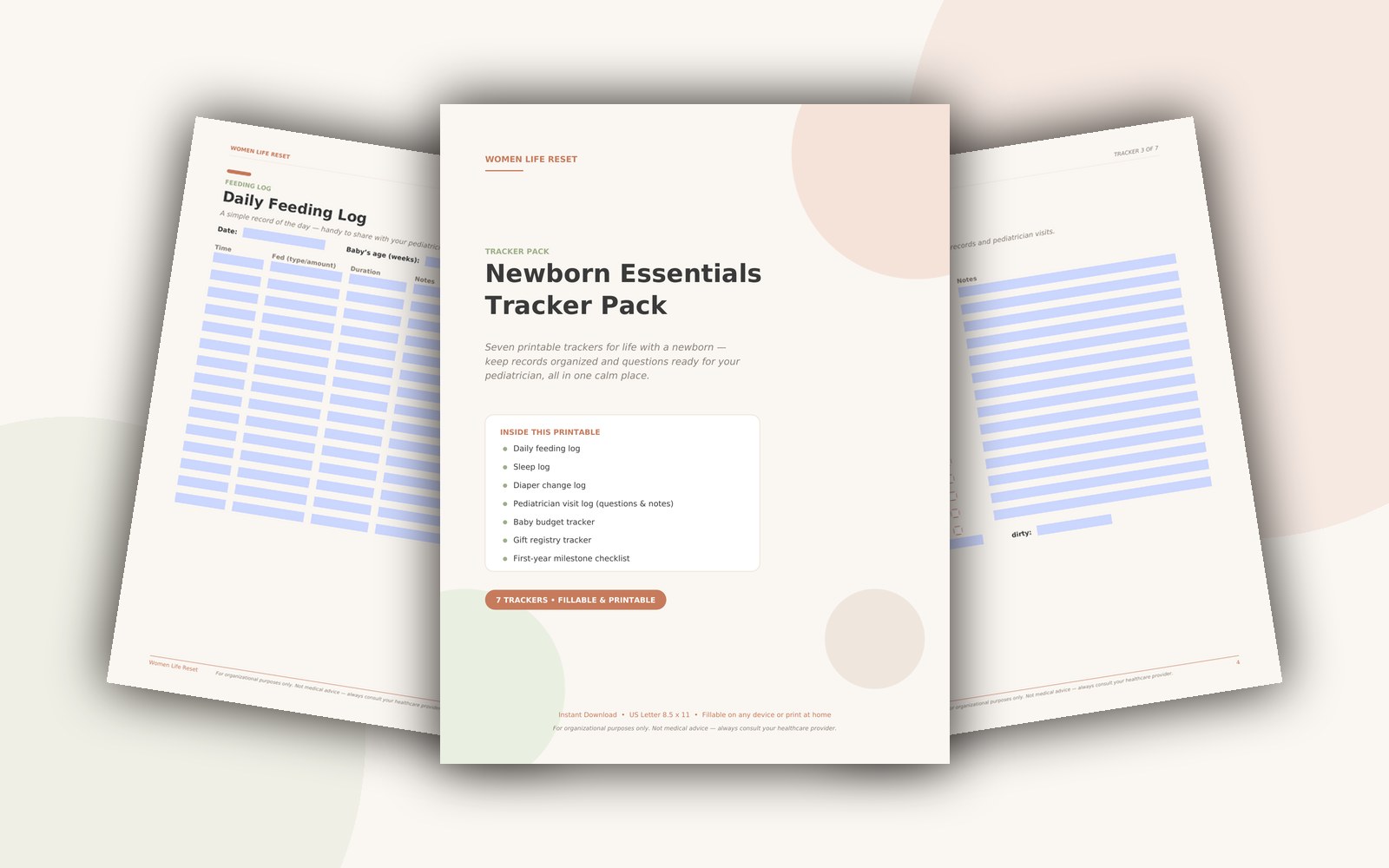
One gift of the fourth trimester fog: you stop trusting your memory. Our Newborn Essentials Tracker Pack keeps feeds, sleep, and diapers in one place — so the 2 a.m. brain doesn’t have to.
Quick answers
Can I carry a newborn in a structured carrier?
Yes, if the model is rated for their weight — some work from 7 lbs with no insert. Keep them high, snug, face visible, chin off chest, and follow the maker’s newborn instructions.
How long can a baby stay in a carrier?
There’s no fixed limit for a well-positioned baby — many nap a full stretch in one. Recheck positioning when they stir, and build in floor and tummy time across the day too.
Is babywearing safe for their hips?
In a carrier that supports the “M” position — knees above bottom, thighs spread around you — yes. Look for models acknowledged as hip-healthy and skip narrow “crotch-dangler” designs.
My baby cries when I put them in. Now what?
Try when they’re fed and calm, get moving immediately (stillness is the enemy), and keep early sessions short. Most babies decide the carrier is wonderful within a handful of tries.
The Takeaway
Your baby isn’t broken for wanting you — they’re brand new and homesick for the only world they knew. A good carrier gives them that world and gives you back your hands. That trade is the closest thing the fourth trimester has to magic. — Sarah
Popular on the blog




Fresh from the blog



Your 15% welcome code is waiting
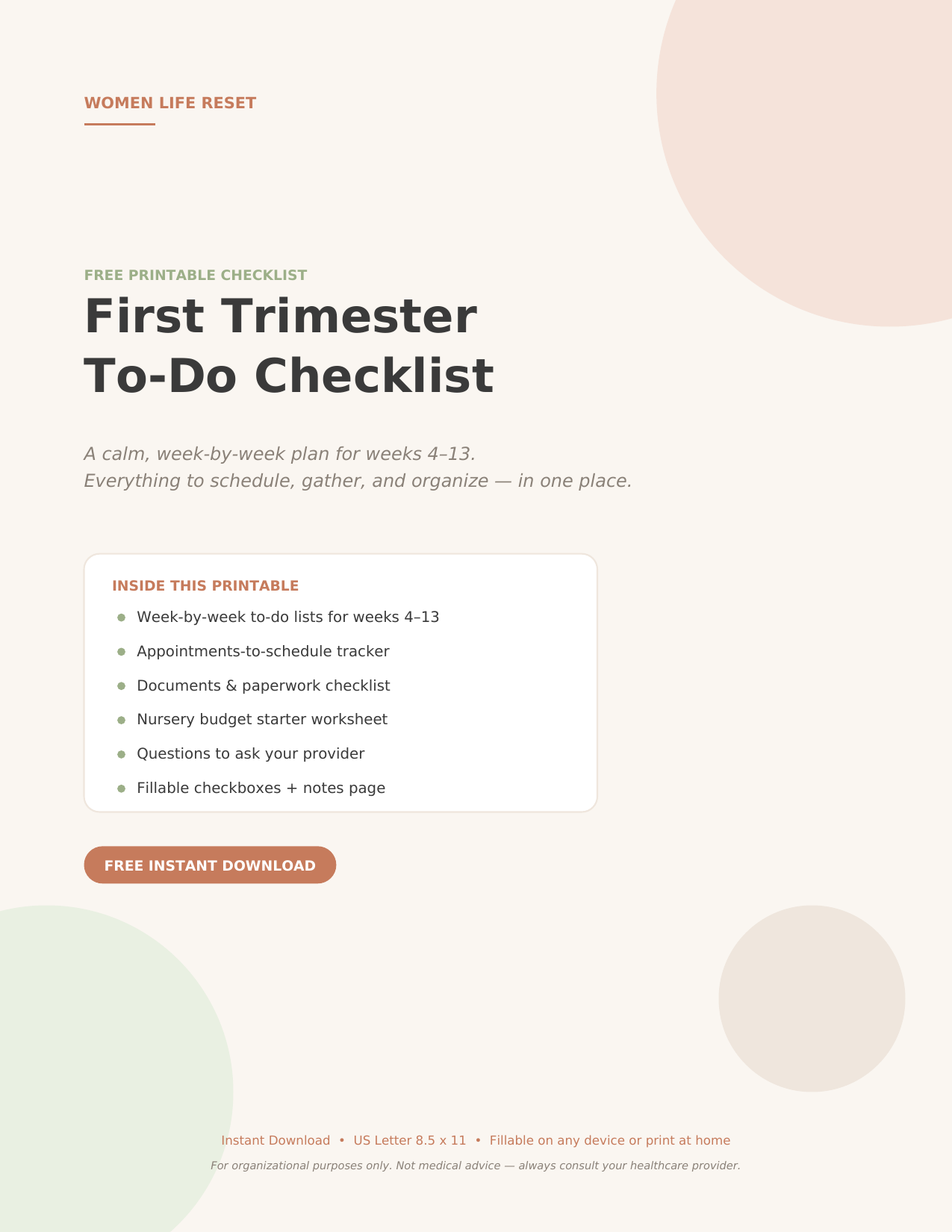
Join the Mom Club and I’ll send you my First Trimester Checklist free, plus your standing code MOMCLUB15 — 15% off everything in the store, every time you shop. One gentle, practical email a week. That’s the whole deal.
No spam, no pressure — unsubscribe anytime and keep the checklist. Only gentle notes from me, Sarah.
Leave a Reply