

Month 9 With Your Baby: Your Tiny Person Has Opinions
Somewhere in month nine you realize you are no longer managing a baby — you are negotiating with a small person. Your baby has preferences now: the red cup, the specific song, the exact book, and they will tell you loudly when you guess wrong. It is the beginning of communication, honestly. A loud beginning.
In this article
The heart of it
- The loud opinions are communication arriving — stay calm through the spoon protests
- Gestures come before words — waving and pointing count as talking
- Brief, boring, reassuring responses carry you through the bedtime anxiety peak
- The mental load shrinks when it is made visible — put tasks on a list
- Bring your questions list to the nine-month checkup
Your baby this month
- Standing while holding on — longer, steadier, and with growing confidence at the furniture
- First words, maybe — “mama” and “dada” may start pointing at actual parents around now, though anytime in the next several months is normal
- Waving and pointing — gestures arrive before words and count as real communication
- Protests and preferences — the arch-backed “no” to the car seat is the preview of toddlerhood, and it is healthy
- Understanding simple words — “no,” “bye-bye,” and their own name reliably land now, even if compliance is optional
Sleep right now
Separation anxiety often peaks around now, which can mean protest at bedtime and calls for you at night. Keep responses brief, boring, and reassuring — you are teaching that you always come back and that night is for sleeping. Two naps still hold for most babies, though the late-afternoon nap starts getting flaky. Protect the bedtime routine like a contract.
Feeding this month
Meals are getting more serious: three meals plus milk feeds, with self-feeding skills improving weekly. Expect strong food opinions — favorites demanded, then rejected, then demanded again. It is not manipulation; it is a baby learning cause and effect. Keep milk feeds steady (they are still the nutritional anchor), keep water available in a cup, and let mess do its teaching. If you are thinking about eventually weaning, there is no deadline — the timeline is yours.
Play and connection
Imitation is the new superpower: your baby copies clapping, sounds, faces, and the phone-to-ear gesture with uncanny precision. Use it — “copycat” games teach turn-taking and sounds. Name everything you hand them. Read the same board books on repeat; the repetition feels mind-numbing to you and is exactly what their brain ordered. Hide-and-seek with toys under a cup builds the thinking skills that come before words.
For you, mama
The negotiation phase requires a new skill: staying calm while someone screams at you about a spoon. You will not always manage it, and that is fine — repair matters more than perfection, even this young. This is also a good month to look at your own load with fresh eyes: what tasks could live on a chart, a list, or a partner’s plate? The mental load does not shrink on its own; it shrinks when it is made visible.
Food, moods and saying no: the opinion months
Nine months is when your baby develops preferences and the lungpower to share them. Foods that were loved last week get swept off the tray. The spoon is apparently unacceptable. The nappy change is now a wrestling match. Congratulations — this is not a problem, it is development doing its job.
At mealtimes, the calm approach is division of labour: you decide what is offered and when; baby decides whether and how much. Keep offering rejected foods without ceremony — it can take ten or more tries. If tracking helps you stay relaxed about it, the First Foods Tracker keeps the bigger picture visible: how many foods tried overall, what is liked, what is still pending. Progress on paper beats worry in your head.
The big feelings need the same calm. You cannot reason with a nine-month-old, but you can stay boring: same response, same tone, every time. Distraction works beautifully at this age — a song, a silly face, a different room. Save your energy for the small number of rules that matter (safety ones) and let the rest wash through.
And in the middle of all these opinions, do not forget the delightful bits — the waving, the babble conversations, the first clap. The Baby’s Monthly Milestone Cards have firsts cards ready for exactly these moments, so the month is remembered for its joys, not its wrestling matches.
Free: the First Trimester Checklist
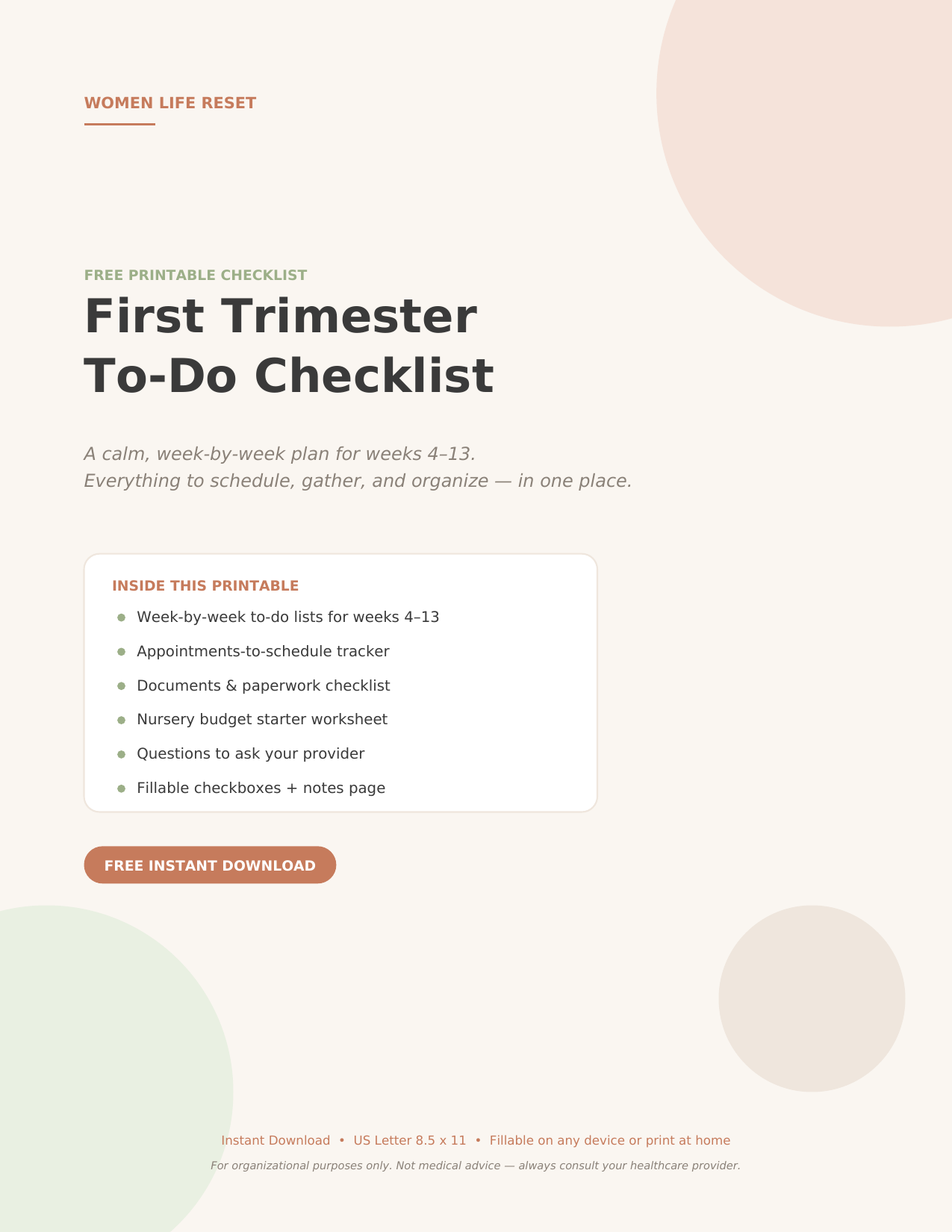
Weeks 1–13, gathered on four calm fillable pages — week-by-week to-dos, an appointment log, and room for your notes. It’s free.
The tiny checklist
- Attend the nine-month checkup and bring your questions list
- Answer babble like conversation — wait, respond, repeat
- Offer a comfort object or lovey at sleep times if you have not yet
- Write down the words your baby clearly understands — the list is already longer than you think
- Put one recurring household task on a visible list this week
The opinions get louder from here — but so does the communication. Month ten is when it all starts connecting.
Keep Every Meal This Calm
The First Foods Tracker counts 100 foods for you, logs allergens the careful way, and plans the week’s meals — calm first tastes. Instant download.
This article is for organizational purposes only and isn’t medical advice — your healthcare provider knows your situation best.
These planners and trackers are organizational tools only and are not medical advice. Always consult your healthcare provider about your pregnancy and your baby’s care.
Quick answers
Why does my 9-month-old suddenly refuse foods?
Newfound opinions are development, not defiance. Keep offering rejected foods without pressure — it can take 10+ exposures before a food is accepted. Appetite also dips naturally as growth slows.
When do babies say their first word?
Usually between 9 and 14 months. ‘Mama’ and ‘dada’ often come first but may not be specific yet. Real words follow months of babbling — narrate your day and read together; that’s the fuel.
Is it okay if my 9-month-old isn’t crawling yet?
Yes — crawling ranges from 6 to 10 months and some babies skip it. Look for any form of mobility (scooting, rolling to destinations). If baby isn’t moving at all or seems stiff/floppy, check in with your pediatrician.
Why does my 9-month-old suddenly throw food?
Throwing is cause-and-effect science, not naughtiness — baby drops, you react, fascinating. Offer small amounts at a time, stay neutral when food falls, and end the meal calmly when throwing becomes the game. It is a phase, and it passes faster when it gets boring.
How much should a 9-month-old actually be eating?
Varied, and less than you think — milk still provides a large share of nutrition through the first year. A typical pattern is three small meals plus milk feeds, but appetite swings day to day are normal. Watch growth and energy over weeks, not the spoonfuls in a single meal.
Educational only — not medical advice. Always consult your healthcare provider.
One calm email a week
Gentle, practical organization for pregnancy and new motherhood — start with the free First Trimester Checklist (instant download, no account needed).
Free instant download · Opens right in your browser · No Canva account needed
Subscriber perk: private coupon codes by email — our list never pays full price
Make this month easier
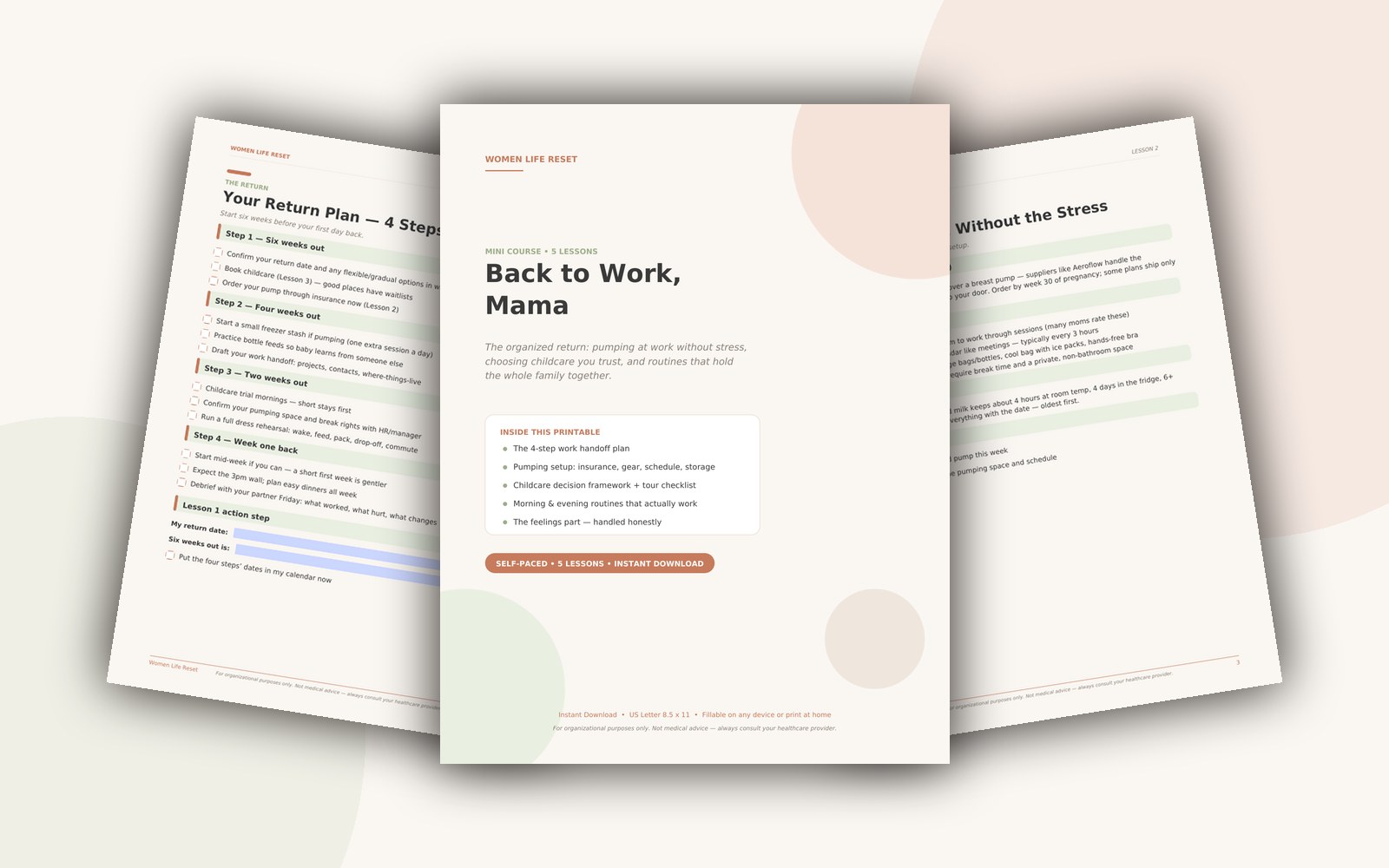 Back to Work, Mama — Return-to-Work Plan
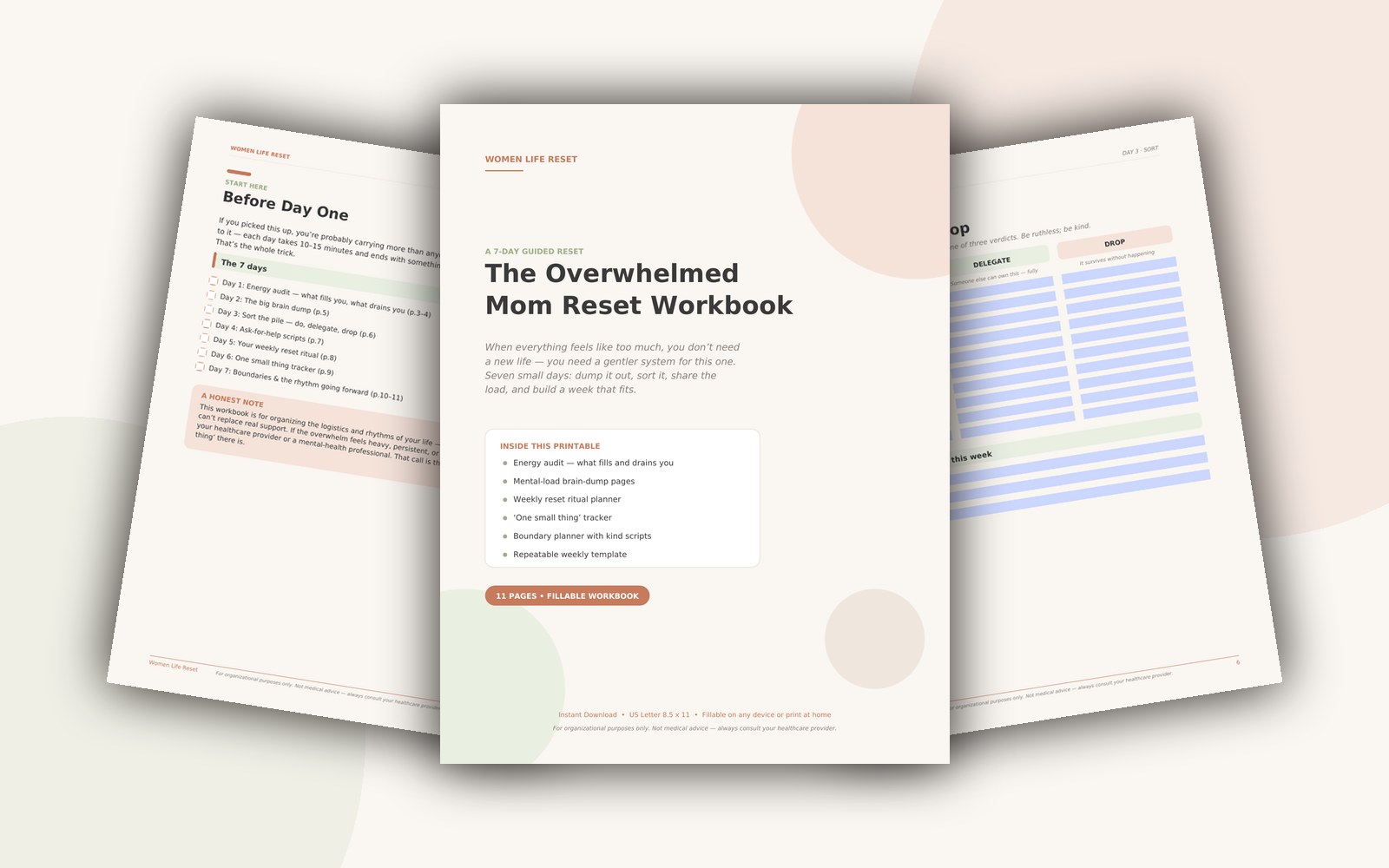 The Overwhelmed Mom Reset Workbook
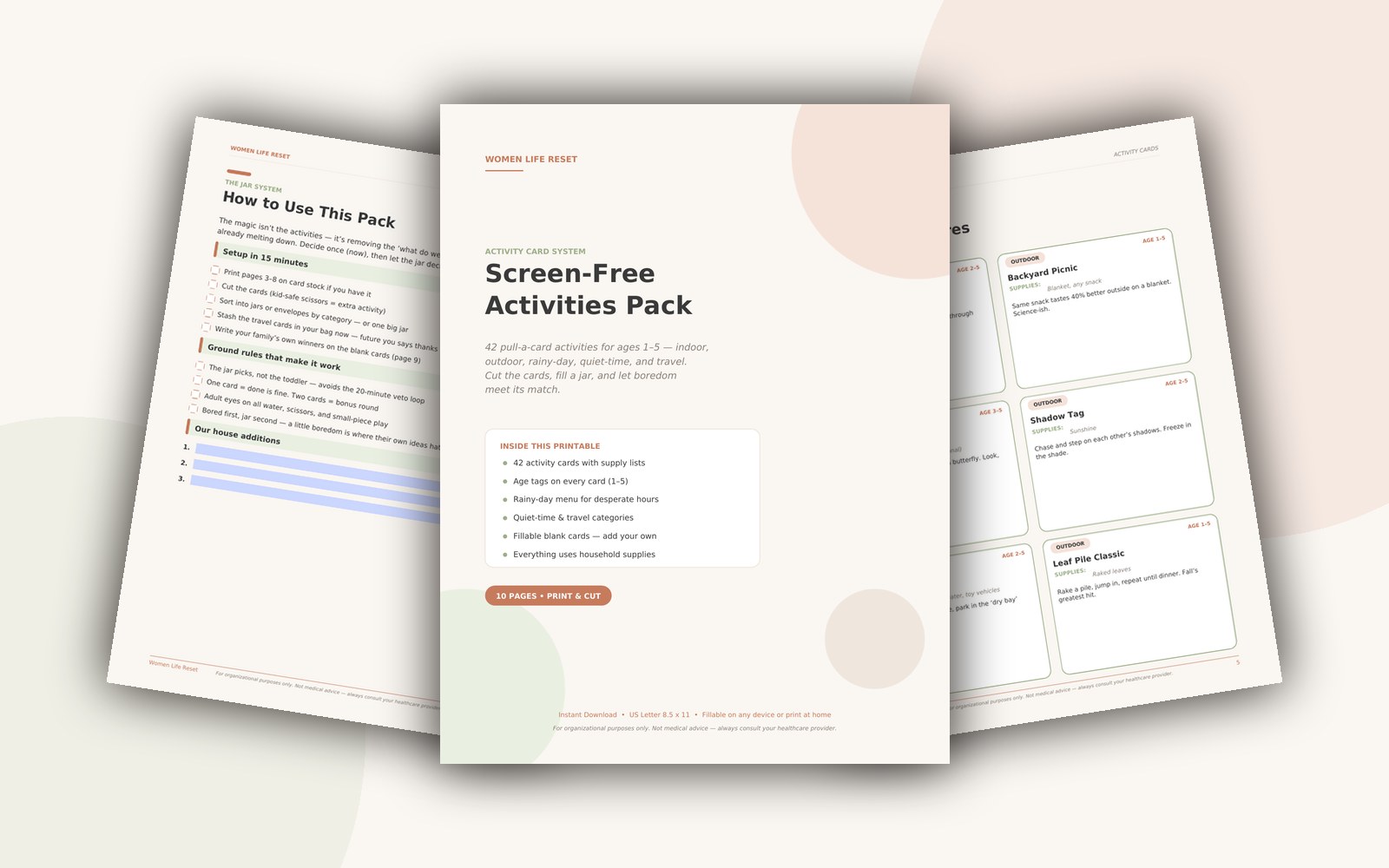 Screen-Free Activities Pack
Every appointment note, every question for my OB, every scan date in one place. My bag of loose papers finally retired. So well thought out.
Popular on the blog



Fresh from the blog

Your 15% welcome code is waiting
Join the Mom Club and I’ll send you my First Trimester Checklist free, plus your standing code MOMCLUB15 — 15% off everything in the store, every time you shop. One gentle, practical email a week. That’s the whole deal.
No spam, no pressure — unsubscribe anytime and keep the checklist. Only gentle notes from me, Rahila.