

The Two-Week Wait: How to Stay Sane While You Wait to Test
The test window says wait fourteen days. Fourteen days! That’s two solid weeks of over-analyzing every twinge, every wave of tiredness, every strangely emotional response to a dog food commercial. If you’re in the two-week wait right now, I see you. It’s one of the strangest stretches of the whole trying-to-conceive journey — you’re maybe-pregnant and maybe-not, and there’s absolutely nothing you can do to speed up the answer.
Here’s what helped me, and what helps the moms I hear from every week: understanding what your body is actually doing during those fourteen days (it helps more than you’d think), and having a few calm, practical ways to fill the wait so it doesn’t fill you instead.
In this article
What Your Body Is Actually Doing Right Now
The two-week wait — the TWW, if you’ve been anywhere near a trying-to-conceive forum — is the stretch between ovulation and the day you can reliably test. And it’s not dead time. Your body is busy.
After ovulation, the egg has roughly 12 to 24 hours to be fertilized. If it is, the little cluster of cells spends the next several days traveling down the fallopian tube, dividing as it goes. Implantation — when it settles into the uterine lining — usually happens somewhere between 6 and 12 days after ovulation, with day 8 to 10 being most common. Only after implantation does your body start making hCG, the hormone a pregnancy test detects.
This is why testing on day 7 is almost always pointless, even with the fancy early-result tests. There’s often simply nothing to detect yet. It’s also why every symptom during the wait is so maddeningly ambiguous: progesterone rises after ovulation whether you’re pregnant or not, and progesterone causes sore breasts, fatigue, bloating, and mood swings all on its own. The symptoms of “maybe pregnant” and “period coming” are nearly identical, which feels like a cruel joke.
Knowing this doesn’t make the wait shorter. But it does take the mystery out of it — you’re not watching for magic signs, you’re waiting for a biological process that has its own timetable and doesn’t negotiate.
Symptom-Spotting: The Trap We All Fall Into
Let’s be honest about the 11pm rabbit hole. You’re going to google “twinges 8dpo” at least once. Everyone does. The problem isn’t the googling — it’s what it does to your head at 2am when a stranger’s forum post from 2019 becomes evidence in the case of Am I Pregnant.
A gentler approach: pick one place to note what you feel each day, and then close the case until tomorrow. A line a day. “Sore boobs, cried at a cartoon, tired by 8pm.” That’s it. Writing it down does two things — it gets the thought out of your head, and it gives you an actual record to look back on, which is worth far more than a fog of anxious memory if this month isn’t the month.
This is exactly why we built symptom and cycle pages into Two Pink Lines, our TTC course — not so you can obsess harder, but so you can note it, close the notebook, and go live your day. Moms tell us the simple act of having a designated place for the tracking is what finally quieted the constant mental tab.
The Rules That Make the Wait Bearable
After a few cycles of this, most couples develop their own survival rules. Here are the ones that come up again and again:
- Set a test date and protect it. Pick the earliest sensible day (12 to 14 days past ovulation, or the day your period is due), mark it, and treat earlier testing as off the table. A negative test at 8dpo tells you almost nothing and costs you a day of hope.
- Plan something for the hard evenings. Not “stay busy” in a vague way — actual plans. Tuesday is the long walk with the podcast. Thursday is dinner with the friend who doesn’t know you’re trying.
- Tell one person or no one. Both are valid. What’s exhausting is telling five people and then fielding five sets of “any news?!” texts.
- Keep your normal life. The wait feels longer when everything else shrinks around it. Book the haircut. Plan the weekend.
When the Wait Gets Heavy
Some months the TWW is a mild distraction. Other months — especially after a loss, or after many months of trying — it’s genuinely heavy. Both experiences are normal.
If you notice the wait is swallowing more than two weeks of your emotional life, that’s worth taking seriously. Not because something is wrong with you, but because you deserve support that matches the weight of what you’re carrying. A counselor who works with fertility, a partner conversation that goes deeper than “it’ll happen,” or simply a structure that makes the process feel less chaotic — all of it counts.
The structure part is exactly why the course exists. Two Pink Lines walks through the whole season — cycle basics, timing, the emotional side of the wait, and what to do when a month doesn’t go your way — in eight calm lessons you can read in an evening. It’s $19, it’s yours forever, and it was written for exactly the 2am version of you.
These planners and trackers are organizational tools only and are not medical advice. Always consult your healthcare provider about your pregnancy and your baby’s care.
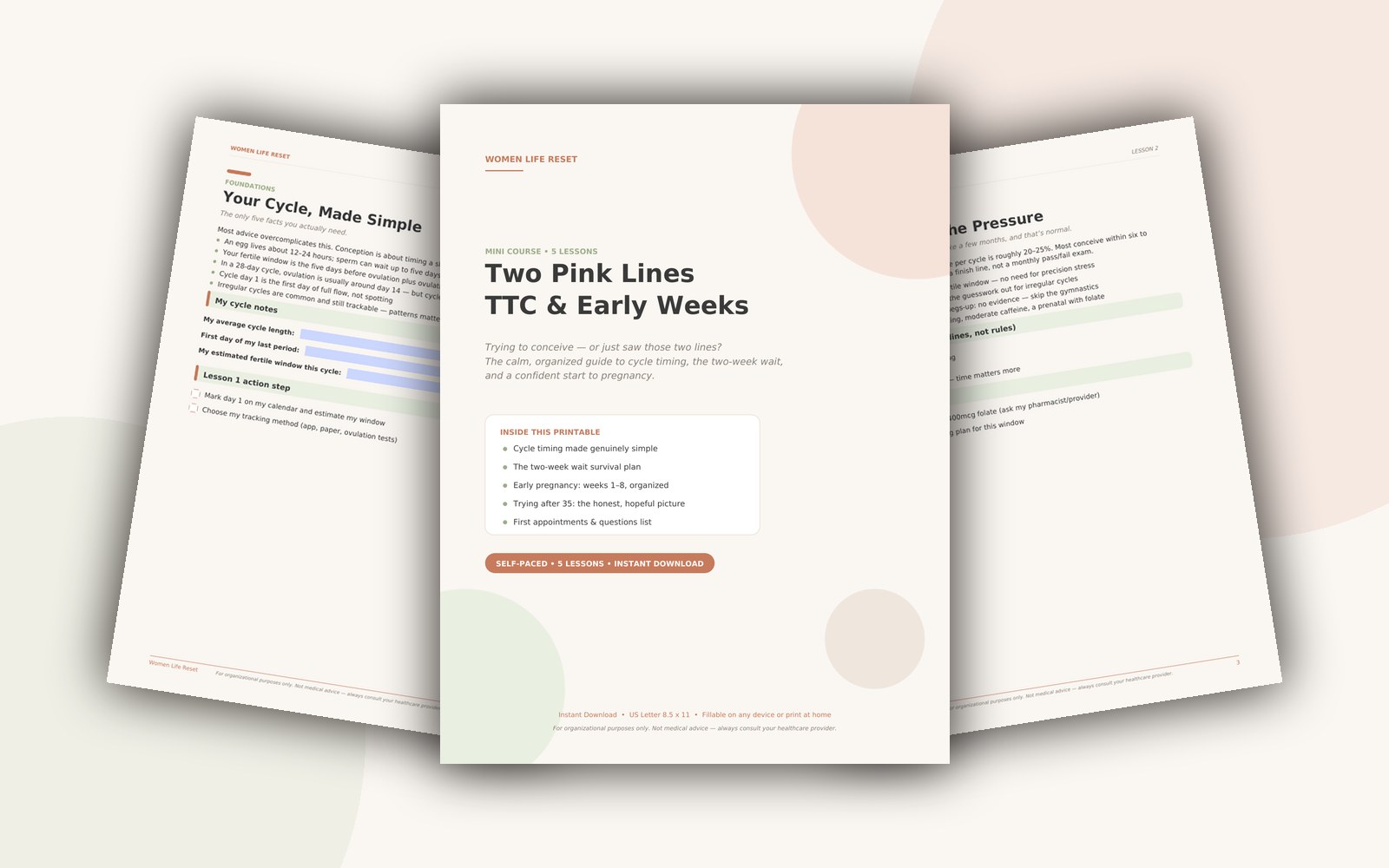 Two Pink Lines — the TTC course
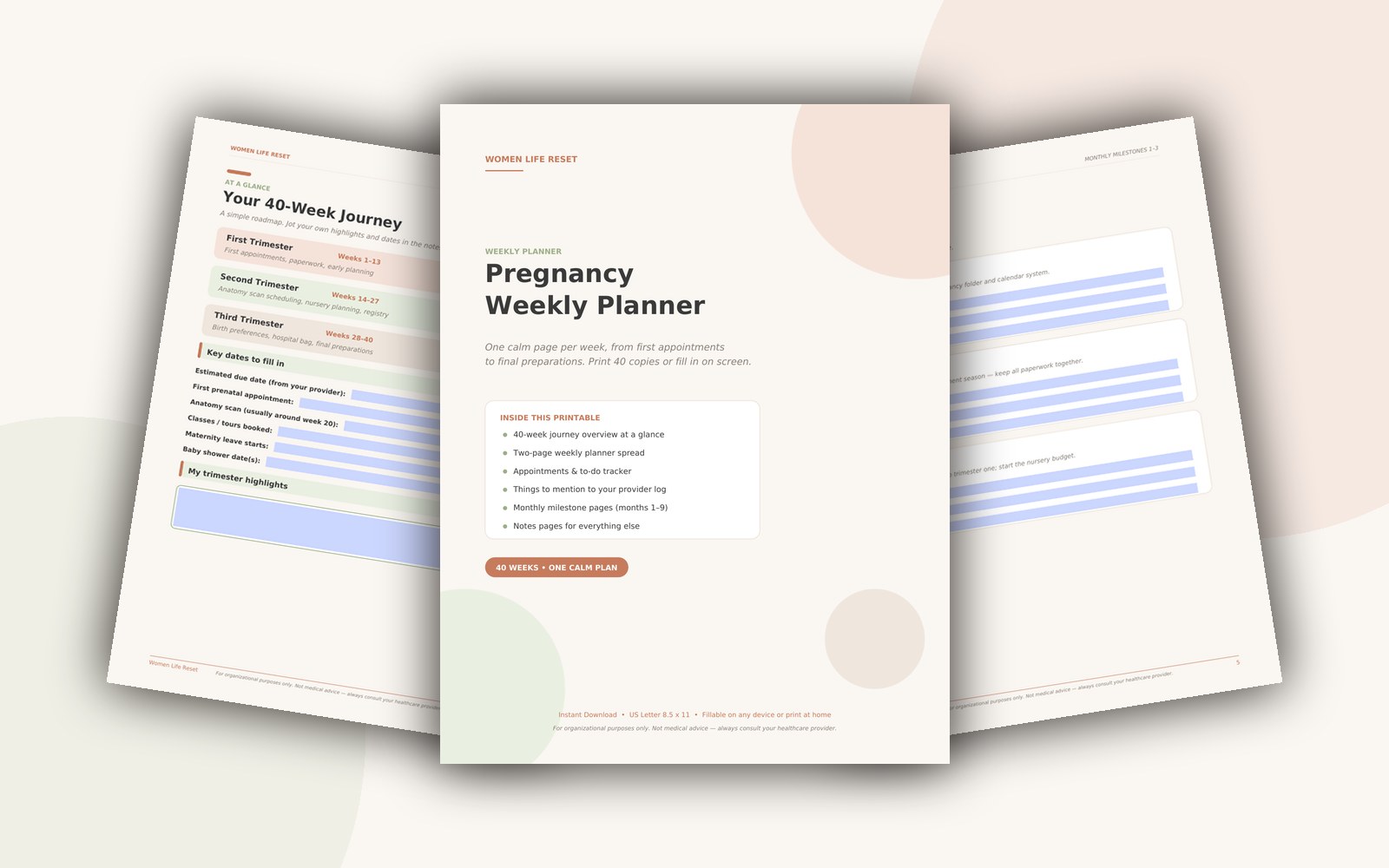 Pregnancy Weekly Planner
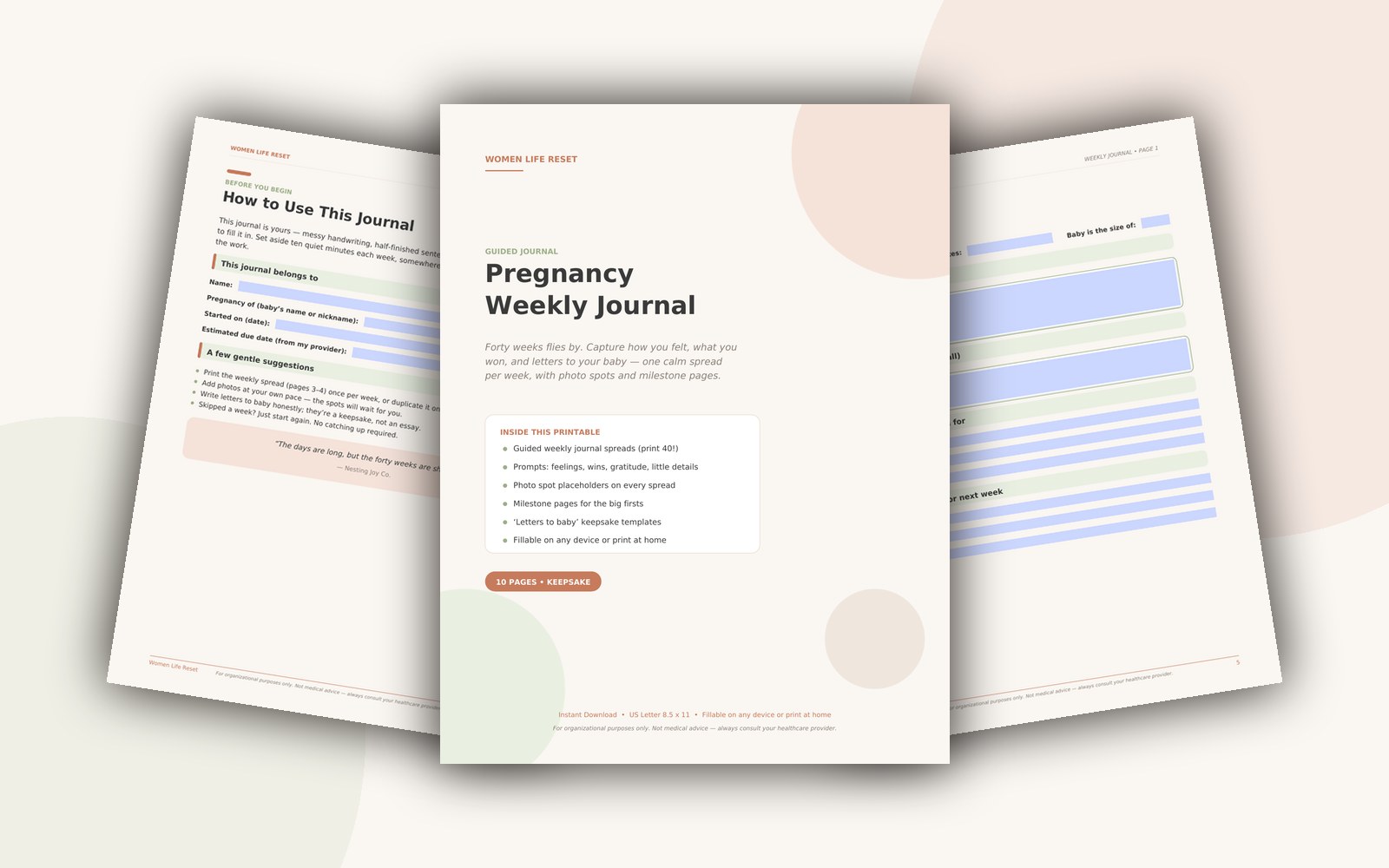 Pregnancy Journal
After months of googling at midnight, this gave me a calm plan and actual answers. My cycles finally made sense on paper.
Quick answers
How long is the two-week wait?
About 12 to 14 days — from ovulation to the day your period is due or a test can reliably detect pregnancy. Implantation usually happens 6 to 12 days after ovulation, and hCG only starts rising after that.
Can I trust an early positive before my missed period?
A positive is usually trustworthy — false positives are rare. An early negative is the unreliable one, because implantation may simply not have happened yet. If you test early and get a negative, retest after your period is due.
What symptoms are actually meaningful during the TWW?
Honestly, none reliably. Progesterone mimics early pregnancy symptoms whether conception happened or not. Implantation spotting (light, brief, around 6–12 days past ovulation) is suggestive but not proof. The only real answer comes from a test at the right time.
Educational only — not medical advice. Always consult your healthcare provider.
Popular on the blog




Fresh from the blog




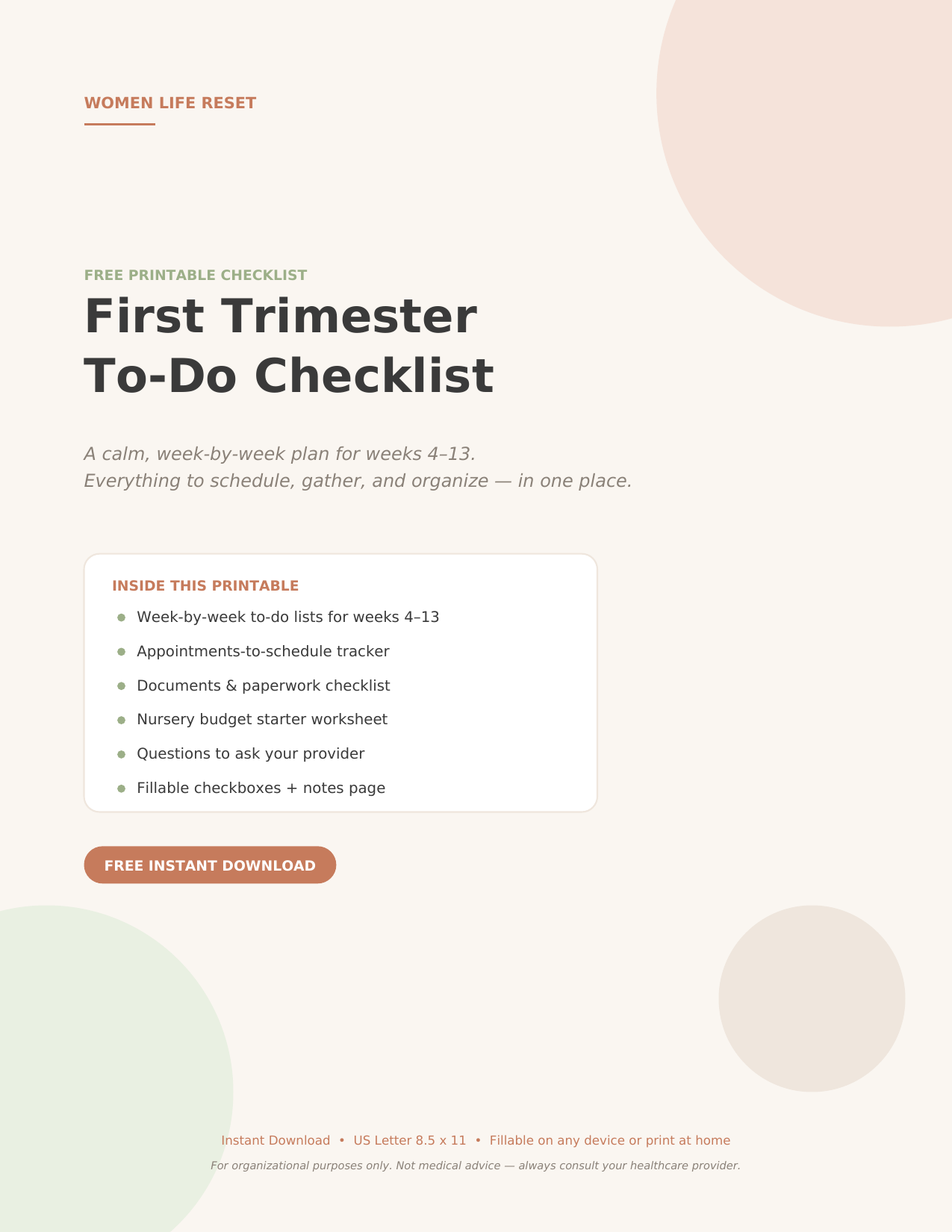
Your 15% welcome code is waiting
Join the Mom Club and I’ll send you my First Trimester Checklist free, plus your standing code MOMCLUB15 — 15% off everything in the store, every time you shop. One gentle, practical email a week. That’s the whole deal.
No spam, no pressure — unsubscribe anytime and keep the checklist. Only gentle notes from me, Sarah.
Leave a Reply